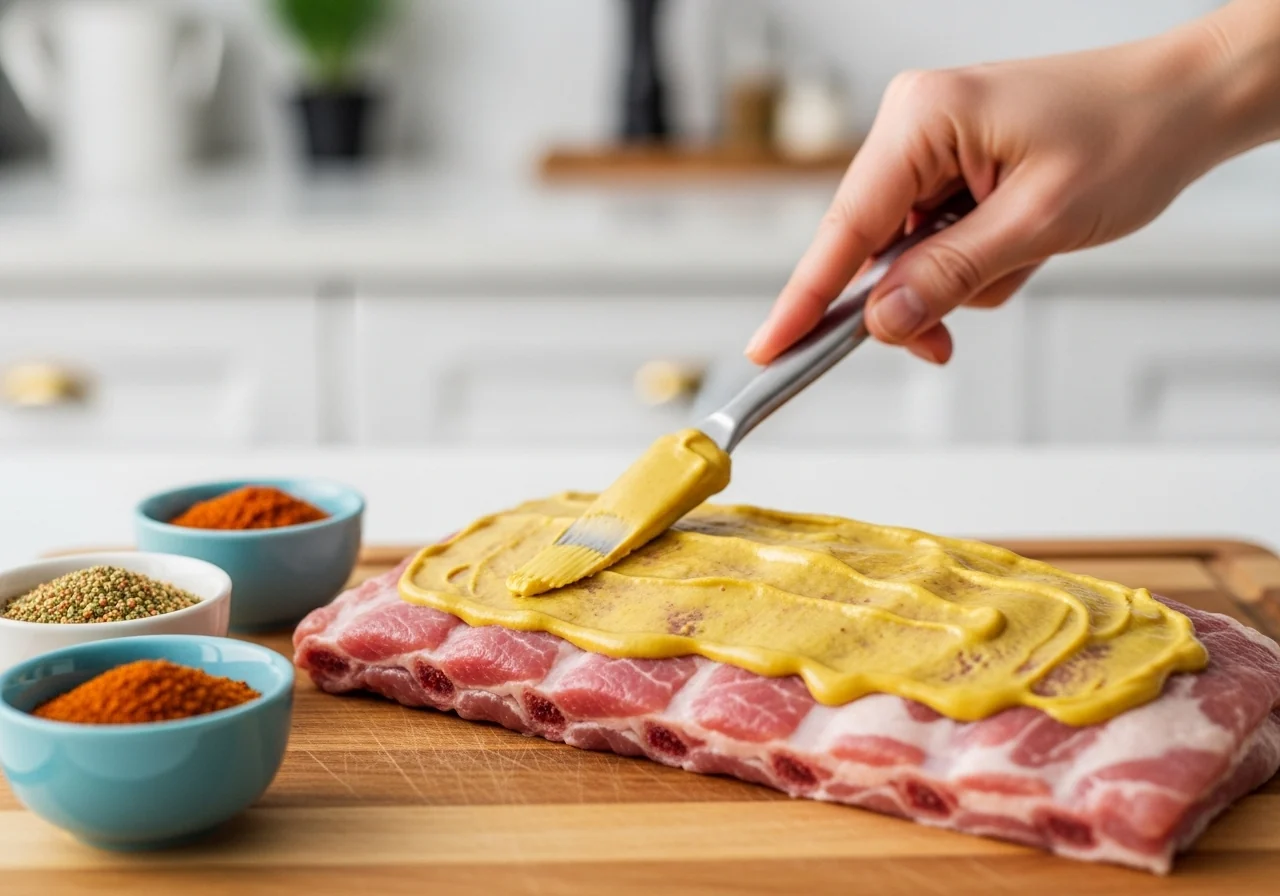

Pull a meatloaf out of the oven and have it collapse into a crumbly mess the second you slice it, and you’ve just met the consequences of a missing binder firsthand. Nothing about the recipe was necessarily wrong — the seasoning could be perfect, the meat quality excellent — but without something holding the structure together, the whole thing falls apart the moment it’s handled. That’s the entire job of a binder in cooking, and once you start noticing where it shows up, it becomes obvious just how often recipes quietly depend on it.
In simple terms, a binder is any ingredient, or combination of ingredients, that holds other components of a dish together so they don’t separate, crumble, or fall apart during cooking or afterward. It’s a structural role rather than a flavor one, though plenty of common binders happen to contribute flavor as a side effect of doing their main job.
How Binders Actually Work
At a chemical level, binders function by creating a network that traps and suspends the other ingredients around it. Eggs are the clearest example: as they heat, the proteins in egg whites and yolks unfold and re-link into a web-like structure, physically locking surrounding ingredients in place. Starches work through a different mechanism entirely, absorbing liquid and swelling as they cook, thickening a mixture and giving it enough body to hold its shape.
Not every binder relies on heat to do its job, either. Some, like chia seeds or ground flaxseed mixed with water, form a gel almost immediately at room temperature, which is part of why they’ve become popular substitutes in eggless baking. The mechanism differs from ingredient to ingredient, but the outcome is the same: a mixture that would otherwise be loose and unstable gains enough internal structure to hold together through mixing, shaping, and cooking.
Common Binders You’ve Already Used
Eggs sit at the top of the list for good reason — they’re used in everything from meatballs and burger patties to custards and baked goods, and they do double duty as both a binder and a source of moisture and richness. Flour and breadcrumbs follow closely behind, common in meat mixtures and casseroles where they soak up excess moisture while adding just enough structure to keep everything cohesive.
Starches like cornstarch and arrowroot show up more in sauces and gravies than in solid dishes, thickening liquid mixtures rather than holding shaped foods together. Dairy-based binders — cheese, cream, even mayonnaise in some savory applications — add both structure and flavor at the same time, which is part of why they’re so common in casseroles and baked dips where texture and taste need to work together rather than compete.
Gelatin deserves a mention on its own, since it works differently from every other binder on this list. Rather than trapping ingredients within a solid matrix while cooking, gelatin sets a liquid mixture as it cools, which is why it shows up in aspics, terrines, and certain candy recipes rather than in something like a meatball. It’s a binder defined almost entirely by temperature — liquid when warm, firm when chilled — which makes it uniquely suited to dishes built around that transition.
Binders for Dietary Restrictions
Cooking for egg-free, dairy-free, or gluten-free diets doesn’t mean giving up on structure entirely; it just means reaching for different tools. Ground flaxseed or chia seed mixed with water forms a gel that mimics egg’s binding properties reasonably well in baked goods, though it changes texture slightly and works better in some recipes than others. Mashed banana or unsweetened applesauce can bind in sweeter baked recipes, contributing moisture and mild sweetness alongside the structural role.
For gluten-free cooking specifically, xanthan gum and guar gum have become the go-to replacements for wheat flour’s natural binding properties, since gluten itself is what gives traditional dough its stretch and cohesion. Both are used in very small quantities — a little goes a long way, and overdoing it tends to produce a gummy, unpleasant texture rather than a better-bound one.
Getting the Amount Right
Binders are one of those ingredients where more isn’t automatically better. Overdo it, and a dish can turn dense, rubbery, or oddly springy, since too much binding protein or starch tightens the structure far more than intended. Meatballs bound with too much breadcrumb or egg often end up tough rather than tender, losing the loose, juicy texture that makes them good in the first place.
Underdoing it creates the opposite problem — a mixture that won’t hold its shape at all, falling apart in the pan or on the grill. Getting the ratio right usually comes down to following a tested recipe closely the first few times, then adjusting slightly based on how a particular batch of ingredients behaves, since moisture content in things like ground meat or vegetables can vary enough to throw off an otherwise reliable ratio.
Temperature and mixing method matter too, and they’re easy to overlook. Overmixing a meat mixture after the binder has been added can overwork the proteins, producing a denser, tougher result even when the binder ratio itself was correct. Folding ingredients together just until combined, rather than kneading or stirring vigorously, tends to preserve a lighter texture across most binder-dependent recipes.
Why This Matters Beyond Just Structure
Binders do more than just prevent a dish from physically falling apart. They influence browning, since certain binders caramelize or crisp differently under heat. They affect how a dish reheats, with well-bound leftovers generally holding together better than poorly bound ones. And in dishes where cost matters, binders like breadcrumbs or oats let a cook stretch expensive ingredients like ground meat further without sacrificing too much in the way of texture or mouthfeel.
Once you start paying attention to binders specifically, a lot of everyday cooking starts to make more sense. The egg in a meatball mix, the flour dusted into a stir-fry sauce, the mashed potato folded into a croquette mixture — all doing the same fundamental job through different mechanisms, quietly keeping a dish from becoming the crumbly mess it would otherwise turn into.
Read More: https://stepmagazine.online/
