
Soapstone has a reputation for being a fussier material than it actually is. People hear “natural stone” and assume it needs the same careful sealing and gentle handling that marble or limestone demand. Soapstone doesn’t work that way. It’s naturally non-porous, resistant to both stains and chemicals, and genuinely hard to damage with everyday cleaning. The care routine is simpler than most people expect, and once you understand the two separate things going on, daily cleaning and periodic oiling, the rest falls into place easily.
Everyday Cleaning
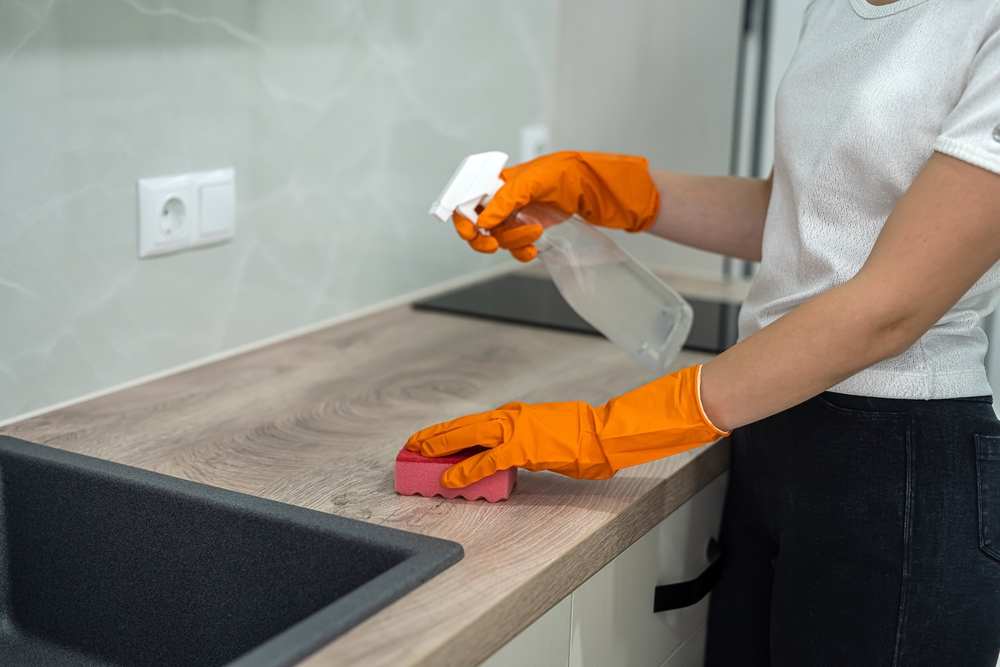
For day to day use, soapstone barely asks anything of you. Wipe the counter down with a damp cloth or sponge after cooking or food prep, and that alone handles most spills and crumbs. When something greasier needs more attention, mix a little warm water with a mild dish soap, wipe the area down, then rinse with clean water and dry it off to avoid streaking.
Because soapstone is dense and non-porous, it genuinely can handle common household cleaners and even mild acids without damage. That said, most soapstone owners and fabricators still recommend sticking with plain dish soap for routine cleaning, since some harsher solvents can strip away the mineral oil layer if you’ve applied one, which just means more frequent reoiling than you’d otherwise need.
One thing to actively avoid: abrasive cleaners and rough scrubbing pads. Products like Bar Keepers Friend or a Magic Eraser can texture the surface over time, leaving it rougher than the smooth finish it started with. A soft cloth or non-abrasive sponge is really all you need.
Should You Oil It? And How Often?
This is the part that trips people up, mostly because it’s optional rather than required. Soapstone doesn’t need mineral oil to be protected. Its natural resistance to stains and moisture is already built into the stone. Oiling is purely a cosmetic choice: it deepens the color into a darker charcoal or black tone and evens out the natural patina the stone develops over time. If you like the lighter, more gray natural look, you can skip oiling entirely and just clean with soap and water.
If you do want the darker look, the process is simple. Apply mineral oil directly from the bottle onto the countertop, then use a clean rag to spread it evenly across the entire surface. You don’t need to let it sit and soak in, since the stone is non-porous and won’t absorb it the way a porous material would. Wipe away the excess with a clean, dry cloth once the surface looks evenly coated.
For a new installation, a heavier initial routine helps build up an even, lasting color: oiling once a day for the first week, then tapering down to about once a week for a month, and finally down to occasional touch-ups every few months as needed after that. Once you’ve got a good base built up, you’ll notice when it’s time to reoil, since the color will start to look uneven or faded compared to when you first applied it.
Dealing With Scratches
Soapstone is softer than granite or marble, so it does pick up scratches more easily than some other stone counters. The upside is that fixing a scratch is genuinely simple. Keep a piece of sandpaper on hand, something in the 60 to 80 grit range for deeper marks, and gently sand the scratched area until it evens out. A worn piece of sandpaper tends to be gentler and less likely to overdo it than a brand new sheet. Once you’ve sanded it down, a light coat of mineral oil over the repaired spot blends it back in with the rest of the surface.
What Actually Damages Soapstone
Given how forgiving the stone is day to day, most real damage comes down to a short list of avoidable habits. Skip cutting directly on the surface and use a cutting board instead, since knives will scratch it. Avoid dragging heavy pots or dishes across the surface rather than lifting them. And while soapstone genuinely handles heat well, thanks to its mineral composition, giving hot cookware a trivet is still a good habit for protecting the finish long term.
The Short Version
Clean with warm water and mild dish soap, skip anything abrasive, and treat mineral oil as optional rather than mandatory, depending on the look you want. Scratches are easy to fix with light sanding and a follow-up coat of oil. Beyond that, soapstone genuinely is one of the lower maintenance natural stone countertops available, and with basic care it holds up for decades.
Read More: https://stepmagazine.online/
